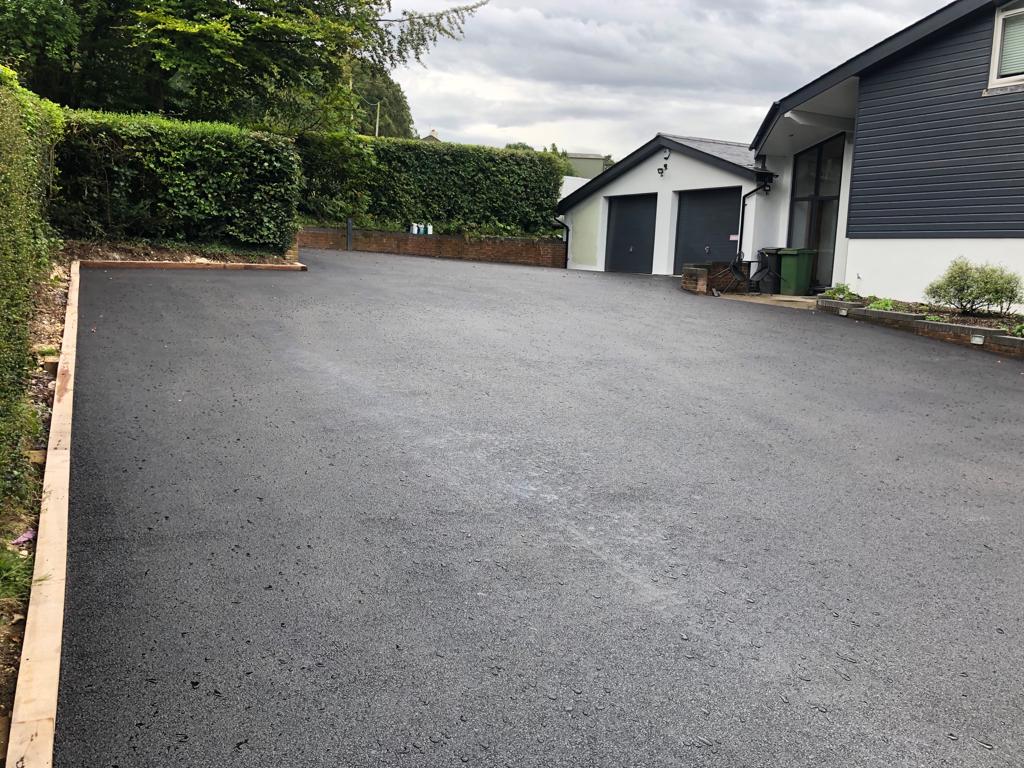
A driveway rarely becomes severely uneven overnight. In most cases, deterioration happens gradually as vehicle movements, rainfall, drainage and displaced surface material change its original profile. A few bumps or shallow wheel tracks may initially seem insignificant, but leaving them unattended can allow a relatively straightforward maintenance issue to develop into a much more deteriorated surface.
For property owners in Orange, NSW, professional driveway grading can help restore the shape and usability of suitable unsealed or granular driveways before deterioration becomes extensive. The best time to grade is generally when the driveway is beginning to lose its profile but still contains suitable material that can be reshaped, compacted and maintained effectively.
What Does Driveway Grading Actually Achieve?
Grading is much more than running machinery across a driveway to make it appear smoother. Professional grading reshapes the surface to establish appropriate levels, correct irregularities and support effective drainage.
Depending on the condition of the driveway, grading can help:
- Reduce corrugations
- Correct shallow wheel ruts
- Reshape uneven sections
- Redistribute suitable loose material
- Restore appropriate drainage falls
- Improve vehicle access
- Prepare the pavement for compaction or further surfacing
The objective is to restore how the driveway functions rather than simply improve its appearance temporarily.
Do Not Wait Until Ruts Become Deep
Wheel ruts are one of the clearest indications that a driveway is beginning to lose its original profile.
They develop where vehicles repeatedly travel along the same paths, gradually displacing or compressing pavement material. Shallow ruts may initially cause little inconvenience, but they can become progressively deeper with continued traffic.
Rutting Can Also Affect Drainage
Once wheel tracks become sufficiently deep, they can begin holding or directing water along the driveway.
Instead of rainfall moving across the surface and away from traffic areas, water may remain within the ruts. This can contribute to further material movement and deterioration.
Having the driveway assessed while rutting remains manageable can allow the overall profile to be restored before deeper defects develop.
Corrugations Are a Sign the Surface Needs Attention
A rough, repetitive pattern of ridges and depressions is commonly described as corrugation or washboarding.
Corrugations can make vehicle movements uncomfortable and often become progressively more pronounced if the surface continues carrying traffic without appropriate maintenance.
Simply filling individual depressions is unlikely to provide a consistent result because the problem affects a broader section of the driveway.
Professional grading works across the complete affected area, allowing the surface to be reshaped before appropriate compaction.
Potholes Should Not Become the Maintenance Trigger
Many property owners wait until potholes appear before arranging driveway maintenance. By this point, deterioration may already be more established.
Potholes can develop where pavement material has weakened or broken away. Traffic repeatedly strikes the damaged edges, while water can collect within the opening and contribute to further deterioration.
Warning signs before substantial potholes develop can include:
- Shallow depressions
- Loose surface material
- Increasing roughness
- Small areas of erosion
- Developing wheel ruts
- Water collecting after rainfall
Addressing these earlier symptoms can help prevent the driveway from reaching a more deteriorated condition.
Watch What Happens After Rain
Wet weather provides an excellent opportunity to assess how well a driveway is functioning.
Once rainfall has passed, look for areas where water remains instead of draining away.
Persistent Puddles Can Reveal Profile Problems
Standing water may indicate depressions, rutting or unsuitable surface falls. If water repeatedly collects in the same location, simply adding loose material to the puddle may not resolve the underlying problem.
The surrounding levels may need to be corrected so water naturally moves away.
For driveways in Orange, NSW, drainage should be considered as part of grading rather than something addressed separately after the surface has been reshaped.
Loose Material Moving to the Edges Is Another Warning Sign
Regular traffic can gradually move pavement material away from common wheel paths.
You may notice material:
- Accumulating along driveway edges
- Building up between wheel tracks
- Leaving exposed or thinner sections
- Moving downhill after rainfall
- Forming irregular ridges
Where the material remains suitable, grading may allow it to be redistributed across the driveway as part of restoring the surface profile.
Moving small amounts back manually may provide temporary improvement, but persistent displacement can indicate that the broader surface requires attention.
Increasingly Rough Vehicle Access Should Not Be Ignored
Sometimes the easiest way to recognise deterioration is from behind the wheel.
If a driveway that was previously comfortable to use now requires vehicles to travel significantly slower, avoid particular sections or regularly change their driving path, the surface is already affecting normal access.
Changes can include:
- Increased vibration
- Repeated bumps
- Noticeable dips
- Deep wheel tracks
- Uneven transitions
- Rough turning areas
A driveway does not need to become difficult to use before grading is worthwhile.
When Is the Best Time to Grade?
There is no universal calendar date for grading every driveway. The right timing depends more on pavement condition, material and recent weather than on a particular season.
Ideally, grading should occur while:
- The existing material remains suitable for reshaping
- Deterioration has not become structurally severe
- Surface defects can still be corrected effectively
- Conditions allow appropriate grading and compaction
- Drainage problems can be identified and addressed
Waiting until large sections have lost significant material or become unstable may mean grading alone is no longer sufficient.
Why Compaction Matters After Grading
Reshaping the driveway is only one part of restoring it.
After grading establishes the required profile, appropriate compaction helps stabilise the pavement material. Without adequate compaction, freshly redistributed material may move again quickly under vehicle traffic.
Grading and compaction therefore perform different but complementary roles:
- Grading establishes the correct shape and levels.
- Compaction helps stabilise the reshaped pavement.
Both contribute to achieving a more durable result.
When Grading Alone May Not Solve the Problem
Not every rough driveway can be restored simply by grading.
A surface can appear uneven because of problems deeper within the pavement. If the foundation is unstable, repeatedly reshaping the top layer may only provide temporary improvement.
Signs that additional work could be required include:
- Deep soft areas
- Severe settlement
- Ruts that repeatedly return
- Extensive erosion
- Major loss of pavement material
- Persistent drainage problems
- Movement under vehicle loads
These conditions should be assessed before deciding on the appropriate maintenance approach.
The Cause Matters More Than the Appearance
Two rough driveways can require completely different treatments.
One may simply need existing material redistributed, levels restored and the surface compacted. Another may have weakened sections requiring additional pavement preparation.
Professional assessment helps distinguish between the two.
Can Grading Prepare a Driveway for Asphalt or Bitumen Surfacing?
Grading can also be an important stage when an existing driveway is being prepared for asphalt or bitumen surfacing.
A new sealed surface needs suitable support underneath it. The existing driveway may therefore require attention to:
- Surface levels
- Drainage falls
- Base stability
- Compaction
- Weak sections
- Existing potholes and depressions
Simply covering an uneven driveway does not make the problems beneath it disappear.
Correct preparation provides a stronger foundation for whatever surfacing treatment follows.
Regular Inspections Can Help You Grade at the Right Time
One of the easiest ways to avoid severe deterioration is to inspect the driveway periodically.
You do not need specialist equipment to notice basic changes. Walk or drive along the surface and look at how its condition is changing.
Pay particular attention to:
- Wheel paths
- Turning areas
- Low sections
- Driveway edges
- Drainage points
- Areas that remain wet
- Sections carrying frequent traffic
Comparing these areas over time makes it easier to recognise when ordinary wear is becoming a maintenance issue.
Why Professional Grading Makes a Difference
Effective grading requires more than flattening visible bumps. The complete driveway profile needs to be considered so that vehicle access, surface levels and water movement work together.
Professional equipment also allows suitable material to be worked consistently across a larger area before the surface is compacted.
Orange Road Tek approaches driveway grading in Orange, NSW, by considering the condition of the existing pavement, drainage, traffic patterns and the reasons the surface has become rough. This allows the work to focus on restoring practical performance rather than simply creating a temporary cosmetic improvement.
Conclusion
A rough driveway should ideally be graded before shallow ruts become deep, corrugations become severe, potholes spread or drainage problems begin accelerating deterioration. Increasingly uncomfortable vehicle movement, displaced material and standing water are all useful signs that the surface may be ready for professional attention.
Grading works best when the existing pavement remains suitable for reshaping and stabilisation. Where deeper structural problems are present, additional preparation may be required rather than repeatedly grading the same failing sections.
For driveways in Orange, NSW, Orange Road Tek can assess the existing surface and determine whether professional grading, pavement preparation or asphalt and bitumen surfacing is the appropriate next step. Addressing deterioration while it remains manageable can help maintain smoother, more dependable access and protect the driveway from unnecessary further damage.
Call us on: 02 5301 9087
Click here to find out more about Orange Road Tek
Click here to complete our contact form and see how we can help with your Asphalt and Bitumen Surfacing needs.